



 Orthopedic Surgery for Dogs and Cats in Tulsa, OK
 Orthopedic Surgery for Dogs and Cats in Tulsa, OK
Orthopedic problems can have a major impact on your pet’s comfort, mobility, and quality of life. At Woodland West Animal Hospital, our team provides comprehensive orthopedic care — from early screening and diagnosis to advanced surgical repair and rehabilitation support. We’re dedicated to clear communication and customized treatment plans for every patient and family we serve, so your pet can get back to walking, running, and playing comfortably.
Advanced Diagnostics and Certifications
Accurate diagnosis is the first step to successful orthopedic treatment. Our veterinarians perform detailed orthopedic and neurological exams and use in-house digital X-rays and CT imaging to evaluate bones and joints and plan surgery with precision.
Our hospital is proud to have PennHIP-certified veterinarians on staff. We provide both PennHIP and OFA certifications, which help identify hip and elbow concerns early and guide preventive care and breeding decisions. We also specialize in diagnosing and managing osteoarthritis in aging pets, helping them remain as active and comfortable as possible.
Orthopedic Surgical Procedures
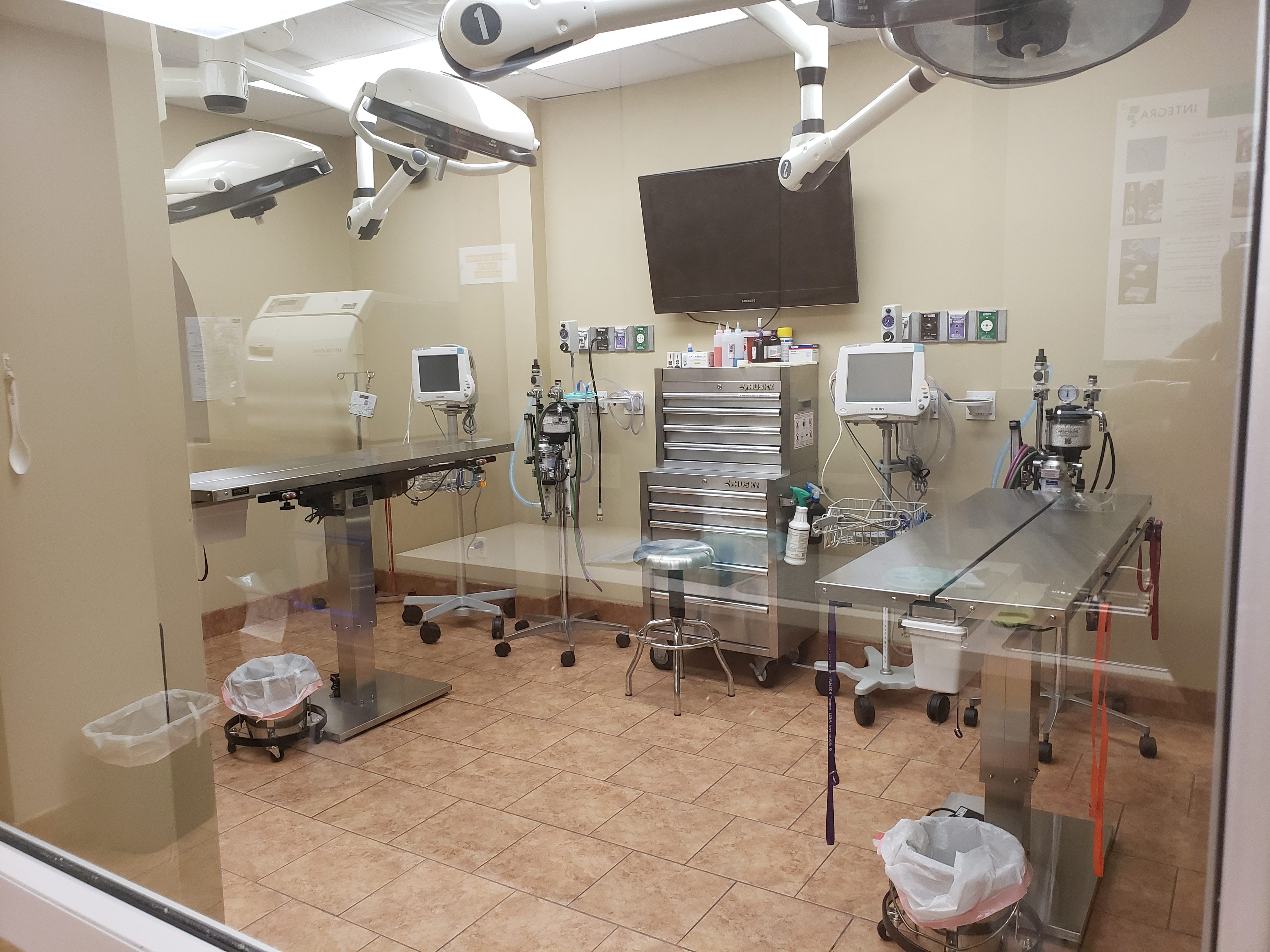
Our veterinarians perform a wide range of orthopedic surgeries using advanced techniques and equipment, including:
- TPLO (Tibial Plateau Leveling Osteotomy) for cruciate ligament disease
- Cruciate ligament (stifle) stabilization using extracapsular techniques
- Fracture stabilization with bone plates, screws, pins, and other implants
- Femoral Head and Neck Ostectomy (FHO) for hip dysplasia, hip fractures, and other painful hip conditions
- Hip stabilization for dislocations (luxations)
- Luxating patella repair for kneecaps that slip out of place
- Tendon repair surgeries
- OCD (Osteochondritis Dissecans) surgery for cartilage defects in young, growing dogs
Signs Your Pet May Have an Orthopedic Problem
- Limping or holding up a leg
- Stiffness, especially after rest
- Difficulty rising, jumping, or using stairs
- Swelling around a joint
- Muscle loss in one leg
- A “bunny hopping” gait or skipping on a back leg
- Pain or crying out when touched
If your pet suddenly won’t bear weight on a leg, our urgent care veterinarian can see them the same day.
Safe Anesthesia and Pain Management
Before every procedure, we perform pre-anesthetic bloodwork and a full exam. During surgery, your pet is closely monitored using advanced anesthesia protocols that meet AAHA standards. Pain management begins before surgery and continues through recovery, and laser therapy can reduce post-operative swelling and discomfort.
Compassionate Support Through Recovery
From diagnosis to recovery, our priority is supporting both you and your pet. We explain your options, set clear expectations, and provide detailed home-care instructions, including activity restriction, incision care, and follow-up X-rays. Keeping your pet at a healthy weight with help from our nutritional counseling team protects joints for the long term, and medications are available through our pharmacy. Financing options are available to help with surgical costs. Learn more about our general surgical services.
Orthopedic Surgery FAQs
What orthopedic surgeries do you perform?
We perform TPLO, extracapsular cruciate repair, fracture stabilization, FHO, hip stabilization, luxating patella repair, tendon repair, and OCD surgery.
What is the difference between PennHIP and OFA?
Both evaluate hip health using X-rays. PennHIP measures hip joint laxity and can be performed as early as 16 weeks of age, while OFA grades hip conformation and provides certification for dogs 2 years and older.
How long is recovery after orthopedic surgery?
Most orthopedic procedures require 8 to 12 weeks of restricted activity, with a gradual return to normal exercise. Your veterinarian will provide a detailed recovery plan.
Will my pet be in pain after surgery?
We use a multimodal pain management plan before, during, and after surgery, including medications and laser therapy, to keep your pet as comfortable as possible.
Is TPLO better than other cruciate repairs?
TPLO is often recommended for active and larger dogs, while extracapsular repair may suit smaller dogs. Your veterinarian will recommend the best option for your pet.
Can orthopedic problems be prevented?
Keeping your pet lean, providing regular moderate exercise, and early screening with PennHIP or OFA can help reduce the risk and severity of many orthopedic problems.
Do you offer financing for orthopedic surgery?
Yes. We offer Cherry, CareCredit, Scratchpay, and the AllPet Card to help families manage surgical costs.
Help Your Pet Move Comfortably Again
If you have questions about your pet’s orthopedic health, call Woodland West Animal Hospital at (918) 299-1208. Together, we can help your pet get back on their feet.