



 Cruciate Ligament (CCL) Injury Treatment in Tulsa, OK
 Cruciate Ligament (CCL) Injury Treatment in Tulsa, OK
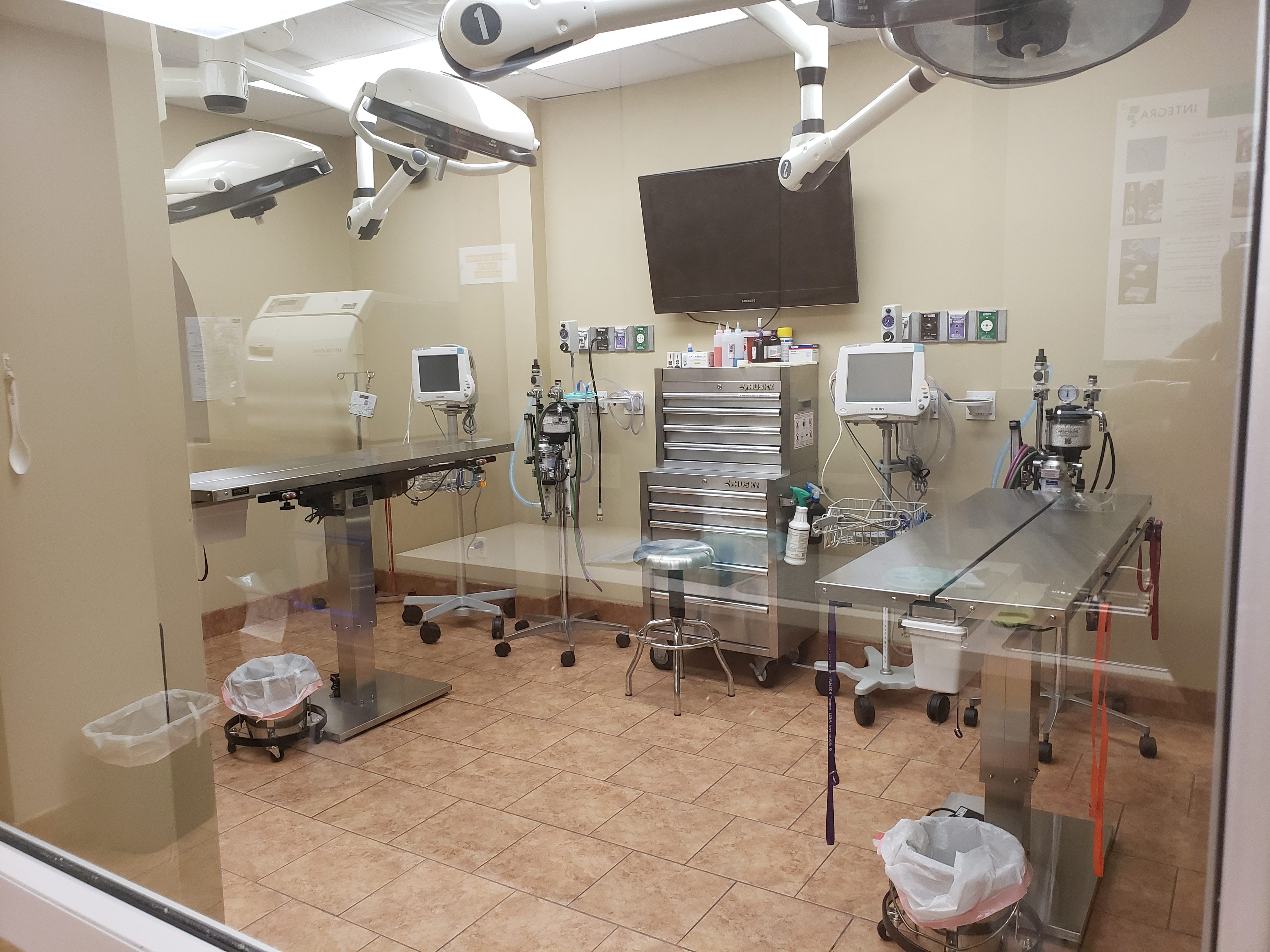
A sudden limp on a back leg — especially after running, jumping, or playing — is often caused by a torn cranial cruciate ligament (CCL). It is one of the most common orthopedic injuries in dogs and a leading cause of hind-limb lameness and knee arthritis. At Woodland West Animal Hospital, our veterinarians diagnose CCL injuries in-house and perform advanced surgical repairs, including TPLO, right here in Tulsa.
What Is the Cranial Cruciate Ligament?
The CCL is a key stabilizing band inside the knee (stifle) joint, similar to the ACL in people. It keeps the shin bone from sliding forward and controls rotation of the knee. In dogs, the ligament often weakens gradually over time and then tears partially or completely, sometimes during normal activity. Once the knee becomes unstable, inflammation and arthritis develop quickly, and the meniscus cartilage can also be damaged.
Risk Factors for CCL Tears
- Large and athletic breeds such as Labradors, Rottweilers, Golden Retrievers, and Newfoundlands
- Small breeds with knee problems, especially those with luxating patellas
- Excess body weight — see our page on pet obesity
- Poor muscle conditioning or sudden bursts of strenuous activity
- A previous tear in the opposite knee — many dogs eventually injure both legs
Signs of a Cruciate Ligament Injury
- Sudden limping or holding up a back leg
- Toe-touching or putting little weight on the leg
- Stiffness after rest, especially after exercise
- Sitting with the affected leg kicked out to the side
- Swelling on the inside of the knee
- A clicking sound when walking (possible meniscal tear)
- Muscle loss in the thigh of the affected leg
How We Diagnose CCL Injuries
Your veterinarian will perform an orthopedic exam, including specific tests for knee instability such as the cranial drawer and tibial thrust tests. Because these tests can be uncomfortable, sedation may be needed for an accurate assessment. Digital X-rays help confirm joint changes, rule out other causes of lameness, and are essential for planning surgical procedures like TPLO.
Treatment Options for CCL Tears
Surgery is usually the best option for restoring knee stability and slowing arthritis, especially in medium to large dogs. Our orthopedic surgery team offers:
- TPLO (Tibial Plateau Leveling Osteotomy): Changes the angle of the top of the shin bone so the knee is stable without the ligament — a preferred option for many active and larger dogs
- Extracapsular (lateral suture) stabilization: Uses a strong suture outside the joint to mimic the ligament, often suited to smaller dogs
- Evaluation and treatment of meniscal damage at the time of surgery
For some small or less active dogs, conservative management — rest, weight control, anti-inflammatory medication, and laser therapy — may be considered. Your veterinarian will explain the pros and cons of each approach.
Recovery After CCL Surgery
Recovery takes several months and involves strict activity restriction, controlled leash walks, pain management, and follow-up X-rays to confirm healing. Laser therapy can help reduce postoperative swelling and discomfort. We provide detailed home-care instructions and stay in close contact throughout your dog’s recovery. Medications can be picked up from our pharmacy or drive-thru, and financing options are available to help with surgical costs.
Learn more about our surgical services or explore other pet health conditions.
Cruciate Ligament Injury FAQs
Can a torn CCL heal on its own in dogs?
The ligament does not heal on its own. Some small dogs improve with rest as scar tissue forms, but the knee usually remains unstable and arthritis progresses without surgery.
What is TPLO surgery?
TPLO (Tibial Plateau Leveling Osteotomy) changes the angle of the top of the shin bone so the knee stays stable without the torn ligament. It is a widely used repair for active and larger dogs.
How long is recovery after CCL surgery?
Most dogs need 8 to 12 weeks of restricted activity, followed by a gradual return to normal exercise. Full recovery can take several months.
Will my dog tear the ligament in the other knee?
Many dogs that tear one CCL eventually injure the other. Keeping your dog lean and well-conditioned can help reduce that risk.
Can cats tear their cruciate ligament?
Yes, though it is much less common than in dogs. Cats with sudden hind-leg lameness should be examined to determine the cause.
Is a limping dog an emergency?
A dog that won’t bear weight, is in severe pain, or has swelling or an open wound should be seen the same day. Our urgent care and walk-in services can help.
Do you offer financing for orthopedic surgery?
Yes. We offer Cherry, CareCredit, Scratchpay, and the AllPet Card to help families manage the cost of surgery.
Get Your Dog Back on Their Feet
If your dog is limping on a back leg, call Woodland West Animal Hospital at (918) 299-1208 for an orthopedic evaluation — we’re open 7 days a week.